

Sophia Duleep Singh, born on August 8, 1876, in London, England, was a woman of remarkable courage, intellect, and determination. Her life, deeply intertwined with the complex political landscape of her time, saw her emerge as a prominent figure in the suffragette movement and an advocate for various social causes.
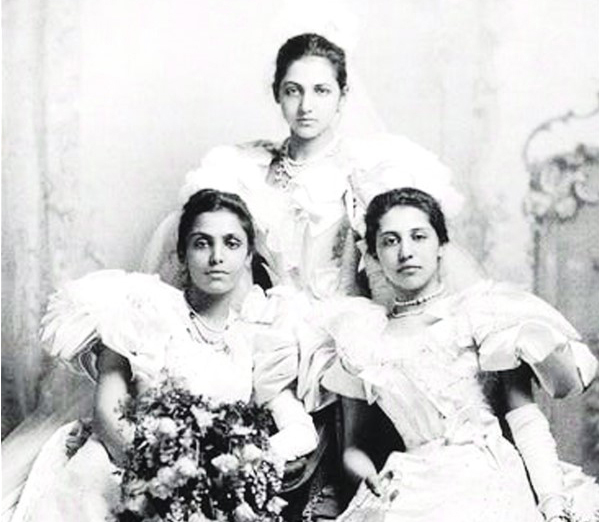
Sophia Duleep Singh was the daughter of Maharaja Duleep Singh, the last Maharaja of the Sikh Empire, and Bamba Muller. Despite her royal lineage, Sophia's childhood was marked by challenges. After her father's death, she found herself navigating the complexities of identity and belonging in a society that often viewed her with a mix of curiosity and prejudice.
Sophia's journey into activism began with her involvement in the suffragette movement in the early 20th century. At a time when women in the United Kingdom were fighting for their right to vote, Sophia became a dedicated suffragette. She joined the Women's Social and Political Union (WSPU), a militant suffragette organization led by Emmeline Pankhurst.
One of Sophia's most notable contributions to the suffragette cause was her participation in various protests and demonstrations. Her aristocratic background and her unique position as a woman of color added a layer of diversity to the movement, challenging societal norms and expectations.

Sophia Duleep Singh's activism extended beyond mere participation in demonstrations. She played a crucial role in the Women's Social and Political Union, contributing not only her time but also her financial resources to support the cause. Her commitment to the movement was unwavering, and she fearlessly embraced civil disobedience as a means to advance the suffragette agenda.
Notably, Sophia was part of the infamous Black Friday protest in 1910, where suffragettes clashed with the police in a bid to reach the House of Commons. This event marked a turning point in the suffragette movement and highlighted the lengths to which women were willing to go to secure their right to vote.

As World War I unfolded, the suffragette movement took a temporary pause as women redirected their efforts towards supporting the war effort. Sophia, however, continued her activism on multiple fronts. She joined the Voluntary Aid Detachments and worked as a nurse, showcasing her commitment to the welfare of society.
Post-war, the suffragette movement gained momentum once again, leading to the passing of the Representation of the People Act in 1918, granting partial suffrage to women over the age of 30. Though a significant step forward, Sophia continued her fight for full voting rights for all women.
In her later years, Sophia continued to be involved in various social causes, including the Indian independence movement and the rights of minorities. Her multifaceted approach to activism and her dedication to justice and equality make her a truly inspirational figure.